
Introduction
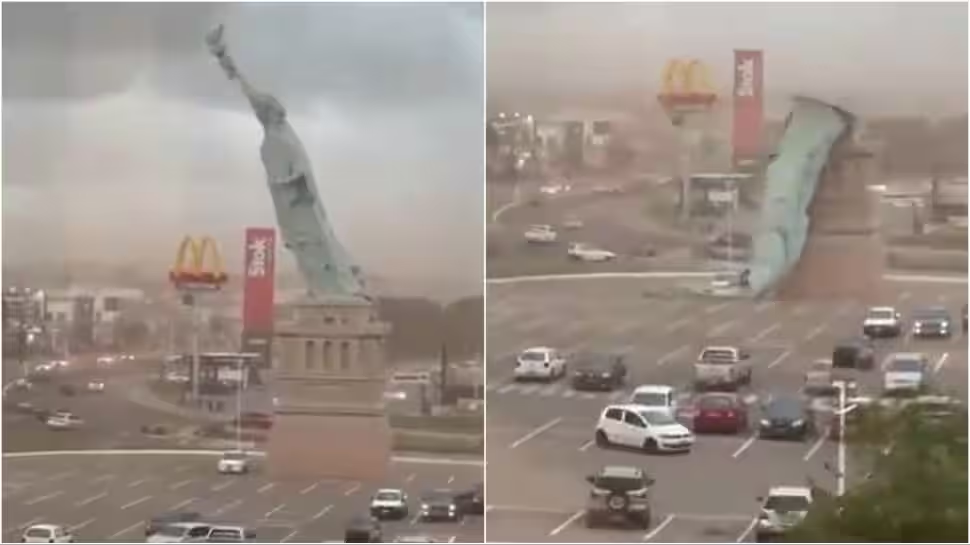
A shocking incident from Brazil has recently gone viral across the internet. A massive Statue of Liberty replica in Guaíba, Brazil, collapsed after facing extremely strong winds. Videos and images of the statue of liberty fall down incident spread rapidly on social media, leaving people surprised and concerned.
The original Statue of Liberty is a global symbol of freedom and resilience. Seeing its replica collapse due to natural forces has sparked conversations about construction quality, weather safety, and climate challenges. This blog explains what happened, why it happened, and what we can learn from it, in a simple and factual way.
What Happened in Guaíba, Brazil?
The incident occurred in Guaíba, a city located in southern Brazil. A large replica of the Statue of Liberty, installed as part of a commercial and tourism attraction, toppled over after being hit by strong winds.
According to reports, the region was experiencing severe weather conditions, including heavy rainfall and intense wind speeds. The structure could not withstand the pressure and collapsed, causing visible damage to the statue.
Thankfully, no casualties were reported, which came as a huge relief.
Why Did the Statue of Liberty Replica Fall Down?
Several factors may have contributed to the statue of liberty fall down incident in Brazil:
1️⃣ Strong Winds and Extreme Weather
Brazil has been facing unpredictable weather patterns. Sudden storms and high-speed winds can easily damage structures that are not designed for such force.
2️⃣ Structural Design Limitations
Unlike the original Statue of Liberty in New York, which is built with deep foundations and advanced engineering, replicas are often:
Made with lighter materials
Designed mainly for visual appeal
Not engineered for extreme weather resistance
This makes them more vulnerable.
3️⃣ Foundation and Installation Issues
Experts believe that improper anchoring or shallow foundations may have played a role. When wind pressure increases, weak foundations become a serious risk.
About the Statue of Liberty Replica in Brazil
The statue of liberty brazil replica was installed to attract tourists and enhance the commercial value of the area. Many countries across the world have replicas of famous monuments to boost tourism and branding.
However, this incident raises important questions:
Were safety standards followed?
Was regular maintenance conducted?
Were weather risks considered during installation?
Social Media Reaction to the Incident
As soon as the statue collapsed, videos were uploaded on platforms like Instagram, X (Twitter), and Facebook. The reaction was mixed:
😮 Shock and disbelief
😢 Concern over safety
🤔 Discussions about climate change
⚠️ Questions about construction quality
Many users also compared the strength of the original Statue of Liberty with the replica in Brazil.
Is Climate Change a Factor?
Experts believe that climate change is increasing the frequency of extreme weather events worldwide. Stronger winds, unpredictable storms, and sudden weather shifts are becoming more common.
This incident is a reminder that:
Infrastructure planning must adapt to climate realities
Safety standards need regular updates
Weather-resistant construction is no longer optional
Lessons Learned from the Statue Collapse
The statue of liberty fall down incident offers several important lessons:
✔️ Safety First
Tourist attractions and monuments must prioritize public safety over aesthetics.
✔️ Regular Inspections
Large outdoor structures should undergo frequent safety audits.
✔️ Weather-Resistant Engineering
Designs must consider worst-case weather scenarios.
✔️ Responsible Urban Planning
Cities should plan installations based on local climate risks.
How Authorities Responded
Local authorities in Guaíba quickly:
Secured the area
Restricted public access
Initiated an investigation
Officials stated that they would review construction permits and safety protocols to prevent similar incidents in the future.
Impact on Tourism and Local Image
While the statue of liberty brazil replica collapse is unfortunate, it may also impact:
Tourist confidence
City branding
Future monument projects
However, transparent action and safety improvements can help rebuild trust.
The Role of Digital Media in Spreading Awareness
Incidents like these show the power of digital media. Within hours, the story reached a global audience. This is where digital marketing, content strategy, and SEO play a crucial role.
Platforms and agencies like Creativephy (creativephy.com) help brands, cities, and businesses manage their online presence responsibly by:
Sharing accurate information
Managing crisis communication
Optimizing content for search engines
Strong digital strategies ensure that factual content reaches people instead of misinformation.
SEO Insight: Why This News Is Trending
From an SEO perspective, keywords like:
statue of liberty brazil
statue of liberty fall down
are gaining high search volume due to:
Viral videos
News coverage
Social media discussions
Publishing timely, human-written, SEO-optimized blogs helps websites gain traffic and authority.
This is exactly the kind of content strategy recommended by professional digital agencies like Creativephy, which focus on Rank Math optimization, user intent, and Google-safe practices.
Conclusion
The collapse of the Statue of Liberty replica in Guaíba, Brazil, is more than just a viral moment. It highlights serious issues related to construction safety, climate impact, and urban responsibility.
While no lives were lost, the incident serves as a warning for future projects worldwide. Strong planning, safety-focused design, and climate awareness are essential.
At the same time, the way this incident spread online shows how important SEO-friendly, trustworthy content is in today’s digital world.